Despite a softer rhetoric from Trump, the US strengthens its military presence in the region
US military assets are being sent to the Middle East amid ongoing tensions with Iran, despite former President Trump's softened stance on the issue.
US military assets intensify deployment in the Middle East
The United States has escalated its military presence in the Middle East by sending key assets to the region amid ongoing tensions with Iran. Notably, the USS Abraham Lincoln, previously stationed in the Asia-Pacific, is moving to the Middle East, reflecting increased strategic focus on the area.
Trump’s softened rhetoric on Iran
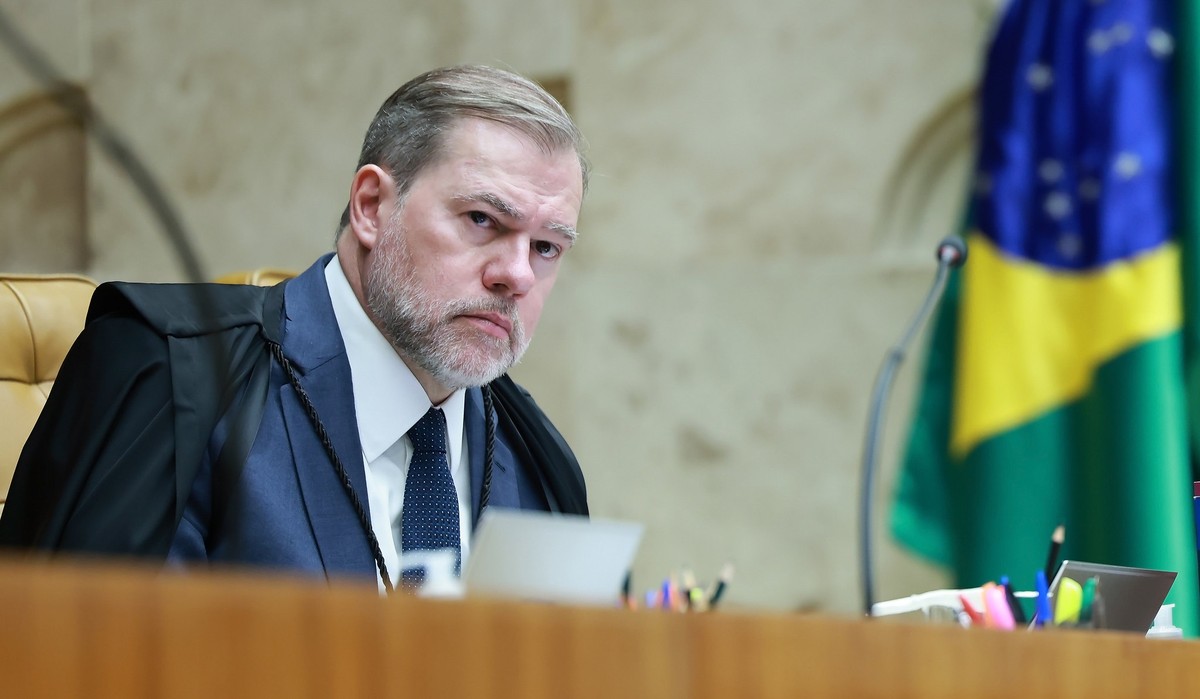
Despite the military buildup, former President Donald Trump has notably backed off from his previously harsh rhetoric against Iran. Trump declared that “Iran can’t do the nuclear,” signaling a slightly less confrontational tone compared to his earlier statements. This shift suggests a complex balancing act in US policy between deterrence and diplomatic signaling.
Regional unrest and protests in Iran
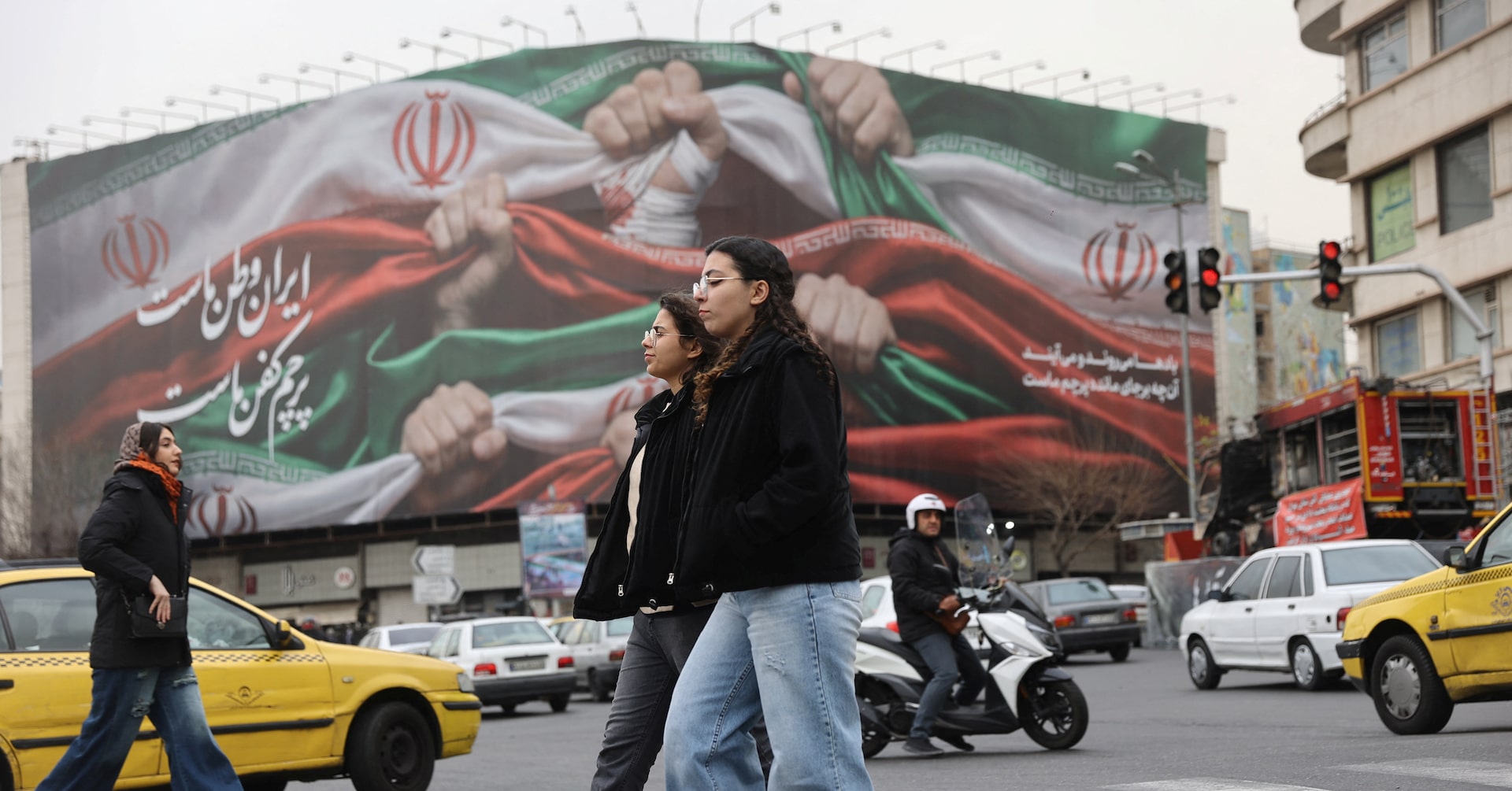
Iran has experienced nationwide protests, although recent reports indicate these demonstrations have diminished in scale. However, the human cost remains high, with a significant death toll resulting from the unrest. The situation inside Iran continues to be fragile and may influence regional security dynamics.
Strategic implications for Middle East stability
The redeployment of US naval forces, including the Abraham Lincoln carrier strike group, underscores Washington’s concern about maintaining influence and security in the volatile Middle East. The presence of such assets serves both as a deterrent to further escalation and as a signal of commitment to regional allies.
Broader geopolitical context
US actions coincide with wider international efforts to manage Iran’s nuclear capabilities and to navigate the complex political landscape of the Middle East. The interplay between military readiness and diplomatic engagement remains critical as tensions persist.
Fonte: www.reuters.com